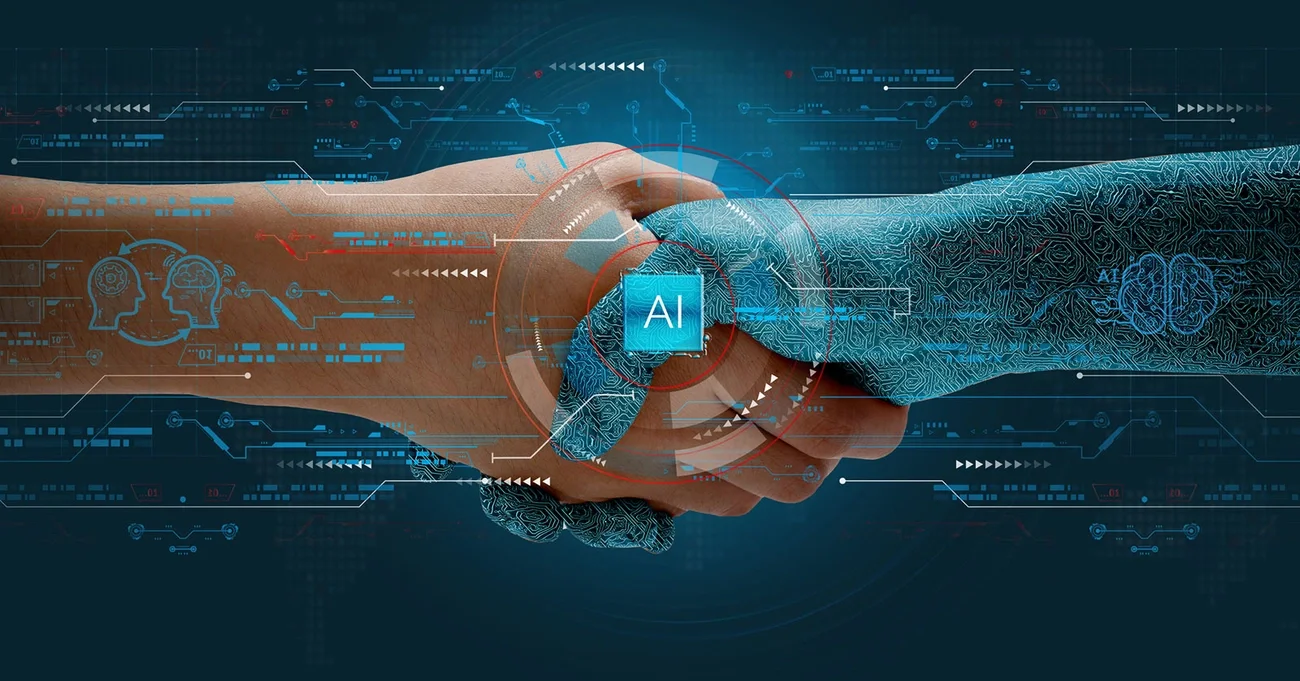
In order to facilitate the coordination of people, processes, and technology within an organization in a way that underpins efficiency and effectiveness, fostering a digital culture is essential. A digital culture instills adaptability, enabling the organization to respond quickly to evolving market dynamics and technology trends. And that, in turn, creates competitive advantage. Indeed, in today’s ever-changing landscape, where digital transformation is often synonymous with success, embracing a digital culture is a strategic imperative, and involves answering questions such as:
- How can we align our organizational capabilities to both achieve our digital objectives and meet ever-changing customer expectations?
- Which platforms and processes are being utilized for fostering knowledge sharing and cross-functional collaboration, and how can they be refined for better efficiency?
- How can we transition from traditional decision-making to data-driven decision-making?
- What is the current level of digital proficiency across our organization, and which specific skills need to be developed/enhanced? How will the organization provide digital training and upskilling opportunities for our employees? How can we garner leadership support and staff buy-in to fully embrace the organization’s digital future?